Smart homes are like great jazz bands. Everything sounds easy and effortless, but only because each instrument is tuned, timed, and wired for the same rhythm. At TDR Electric, we make the music happen behind the scenes. Lights that dim on cue, thermostats that learn your habits, cameras that keep watch without nagging, a generator that hums quietly when the grid goes dark, and surge protection that takes the hit when lightning feels dramatic. Seamless integration isn’t magic, it’s planning, clean installation, and a refusal to leave loose ends.
This is a peek at how we approach Smart Home Device Installation, why proper wiring beats gimmicks, and where our other services fit when homeowners and property managers want performance without drama.
What “seamless” really means
Most frustrations with smart homes come from tiny mismatches. A dimmer incompatible with LED drivers. A smart switch shoved into a shallow box that turns wiring into origami. Wi‑Fi congestion because every widget in the house is shouting on the same 2.4 GHz channel like toddlers at a birthday party. Then there’s the gateway problem, with three apps your family ignores and an automation rule that fights itself.
When we talk about seamless integration, we mean fewer points of failure. We hard‑wire whenever sensible, pull neutral conductors where they’re missing, isolate lighting loads that need specialized dimming, and make sure the low‑voltage gear, from doorbells to occupancy sensors, has a clean power path and the right transformer.
We also document. Not a phone picture of a junction box, actual circuit mapping, device labeling, and a clear handoff so you know what lives where. That’s what separates an enthusiastic DIY weekend from a house that responds reliably for years.
Where smart shines, and where it doesn’t
No one needs a connected toaster. But smart thermostats, lighting, cameras, and water shutoffs prove their worth daily. Smart Thermostat Installation is a simple example. When we install, we verify the C‑wire, test staging on heat pumps or multi‑stage furnaces, confirm wire colors match terminal assignments, and program initial schedules that don’t roast you at 4 a.m. A smart thermostat can save 5 to 12 percent on heating and cooling if it isn’t fighting faulty wiring or a misread heat source. It’s not the algorithm that makes the difference, it’s the installation.
On lighting, we’ll ask what you actually do in each room. Task areas like kitchens want bright, even coverage, often around 50 to 70 lumens per square foot. Bedrooms call for soft layers and quiet dimming curves. If you’re using smart switches instead of smart bulbs, we’ll verify the dimmer’s minimum load and driver compatibility. Some LED cans flicker when dimmed to 10 percent, so we’ll set trim levels to stop the shimmer. It’s small work, but it’s the difference between “cool demo” and “we live with this.”
Security gear is another place where poor choices show up fast. A doorbell camera that piggybacks on a transformer meant for a chime alone can brown out or overheat. We upgrade transformers, sort out low‑voltage runs, and make sure the chime kit plays nicely. Motion lighting should not blind your neighbors, and cameras should be mounted to see faces, not clouds. Tilt and height matter more than megapixels.
The few things we discourage: cheap plug‑in Wi‑Fi doodads that rely on single outlets behind furniture, and mixed ecosystems that never talk. You can build a rock‑solid home with two or three hubs or platforms, but eight brands that all want to be boss will turn your phone into a collection of compromises.

The backbone: power, data, and protection
Smart gear is greedy in a particular way. It doesn’t pull a lot of current, but it demands clean power and a stable network. That means your electrical and data backbone matters more than the shiny gadget.
Surge Protection Installation sits at the top of our priority list. Whole‑home protection clamps down on transient voltage spikes that creep in from the utility or from large appliances cycling. It’s not overkill. A spike can punch a tiny hole in a power supply today and leave it failing six months later. The cost of a whole‑home unit is lower than replacing one fried entertainment center or a rack of smart switches.
For networking, we push for ethernet whenever possible. Ask any Residential Electrician who has been called to fix “my lights don’t respond” on a Saturday and they’ll point at Wi‑Fi congestion. One or two hardwired access points can carry a big house smoothly, while dozens of battery widgets chatter in the background. We place those access points strategically during Smart Home Device Installation, often when we’re already running cable for other upgrades.
Then there’s grounding and bonding. It’s not glamorous, but it’s safety and performance rolled into one. Devices with switching power supplies are more tolerant and quieter when the grounding is correct. If your home is older, we might suggest a service evaluation and Electrical Maintenance Services to tighten the system before adding more brains to the brawn.
A day in the field: integrating without drama
Last spring we upgraded a 1960s bungalow that had lovely bones and no neutrals in the switch legs. The homeowners wanted room‑by‑room control, a smart thermostat, a few exterior cameras, and a soft “goodnight” scene that shut the place down. We mapped the existing lighting, identified the switch loops, and offered two paths: retrofit smart switches that work on two‑wire or pull new neutrals to strategic boxes for better dimming and options later. They chose the latter. It added a day to the job and gave us a cleaner base.
We installed a smart thermostat with a new transformer to support an add‑a‑wire kit, set dimmer minimums to stop the ghosting in the dining room fixtures, and ran ethernet to two PoE cameras and one Wi‑Fi access point. We added whole‑home surge protection at the panel and replaced a mystery GFCI that kept tripping the patio lights. After a short tutorial, they had scenes: cook, watch, and sleep. No app juggling. Three months later, they called back for a Home Generator Installation consultation. A summer storm had cut power for four hours. Their smart devices behaved, but they wanted resilience. Because we had labeled and documented, sizing the transfer switch and prioritizing circuits was painless.
Why pro installation beats the manual
Yes, you can install a smart switch in an hour. Yes, you can connect a thermostat with a YouTube video open. We support curiosity. We also see the aftermath when it goes sideways.
A few examples, and how we handle them:
- Line and load reversed at a smart dimmer. The switch seems to work, except the reporting is wrong and the device crashes during firmware updates. We test with a non‑contact tester, verify with a meter, and label for the next person. Shared neutrals not tied correctly in a multi‑way circuit. The random flicker isn’t ghost activity, it’s a wiring method mismatch. We correct travelers, verify the common, and choose a compatible smart solution that doesn’t backfeed noise. Under‑rated low‑voltage transformers for doorbells and cameras. We size to the load, choose 16 to 24 VAC as the device requires, and make sure the chime kit or relay is spec’d for the run length. Firmware that needs a calm network to update. We do updates before handing off, with good signal and patience. A bricked device does no one favors. Overstuffed boxes with backstabbed connections. Heat builds, devices misbehave, and code inspectors frown. We pigtail properly, use deeper boxes where necessary, and keep it neat.
The manuals care about generic success. Electrician Services care about your specific home. We see old splices hidden in ceilings, swapped wire colors from a renovation 15 years ago, and a panel with two breakers feeding the same device. Experience reduces guesswork, and guesswork is the enemy of stability.
The ecosystem question: one app or many?
Everyone wants one app to rule them all. Matter and Thread move the industry closer, but you still have to pick a backbone that fits your use. If you like simple schedules and a few scenes, a single hub from a major brand can carry the load. If you want nuanced automation, time‑based and presence‑based triggers, and third‑party integrations, we often recommend a dedicated hub with local control. Local matters because internet outages should not leave you in the dark.
For property managers and commercial spaces, we combine enterprise‑grade Wi‑Fi with central monitoring. That’s where our Commercial Electrician team leans in. Tenant Improvements often include lighting control upgrades, access control, and occupancy sensors for energy compliance. The trick in commercial settings is serviceability. A building engineer should not need a decoder ring to change a schedule. We label, document, and train so the system stays maintainable long after we’ve packed up the ladders.
EV chargers, solar, and the smart home loop
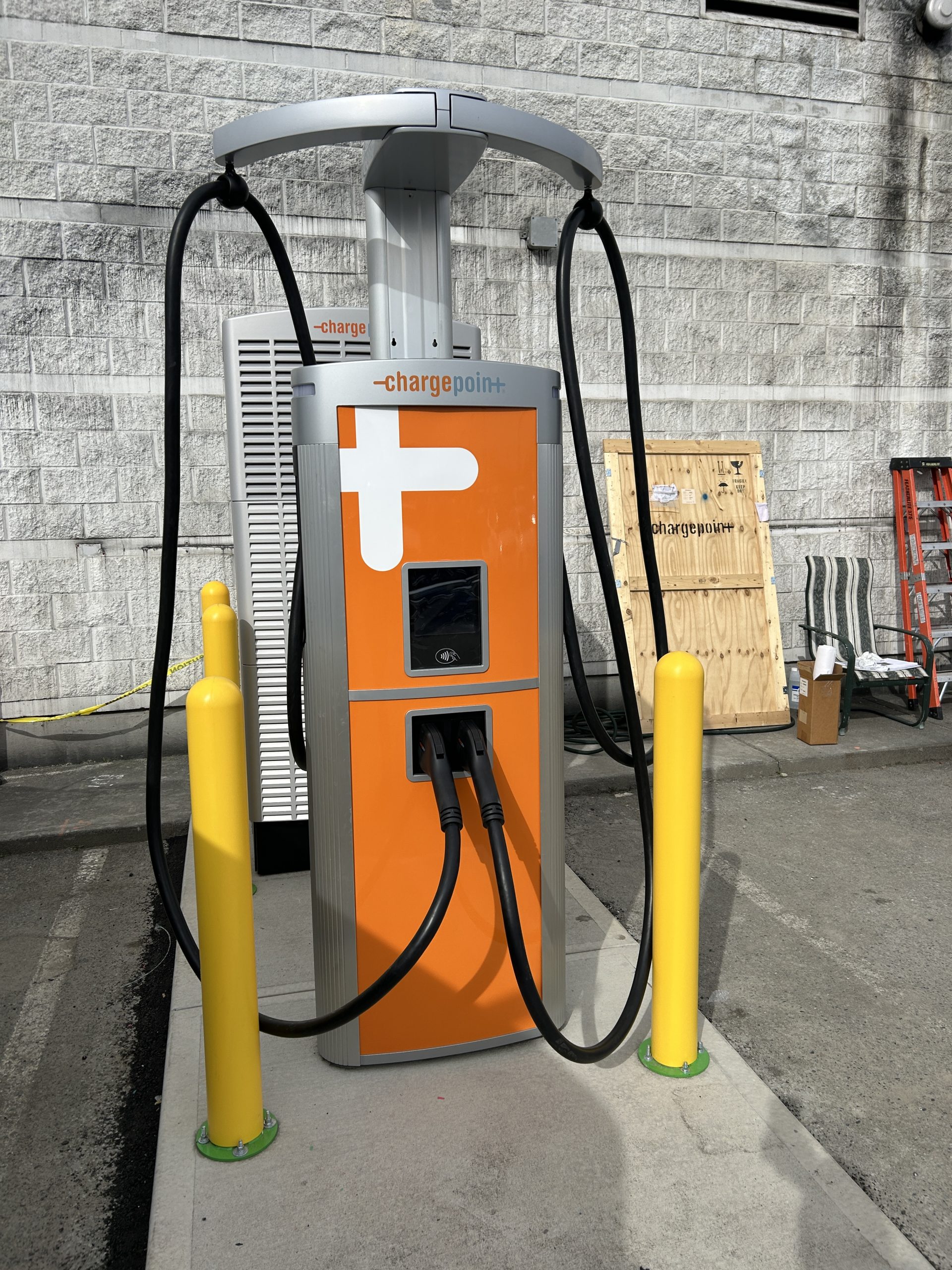
Once you add EV Charger Installations into the mix, your smart home becomes part of an energy story. Chargers can pull 32 to 80 amps for hours. If you layer that on top of electric ranges, heat pumps, and a sauna you swear you’ll use twice a week, your panel will start negotiating quietly with itself. We handle load calculations, balance phases, and set up managed charging when the utility offers incentives.
Solar Panel Installation introduces another dimension. When the sun is generous, you can automate heavy loads to run in the afternoon. That could be the water heater, the pool pump, or a pre‑cooling cycle. Connect a smart inverter, an energy monitor, and a hub that speaks to your devices and you can orchestrate useful behavior: charge the car at noon, run the dishwasher at two, and ease the thermostat early to glide through the evening. It’s not about chasing pennies, it’s about smoothing energy use so your system runs quieter and your bills stop spiking.
If you live where outages happen, Home Generator Installation pairs well with circuit‑aware automation. We identify essential circuits, install a transfer switch or an automatic transfer switch, and create a power‑down profile for non‑essential devices. There’s a reason we test it, label it, and practice a simulated outage with you. The first real outage should feel ordinary, not like a surprise birthday party without the cake.
Safety, code, and the little things that help you sleep
The smartest upgrade is often the least glamorous. Smoke Detector Installation with interconnects and smart alerts makes a difference on a bad day. The same goes for carbon monoxide detection. We tie them into your automation so if an alarm triggers, lights come on in escape paths and the HVAC shuts down to stop smoke from spreading. It’s not flashy, it’s responsible.
We also recommend Electrical Maintenance Services at regular intervals. Loose lugs heat up, aluminum branch circuits need antioxidant paste and the right devices, and breakers age. When we’re on site for smart upgrades, we often catch small problems before they grow teeth. Emergency Electrical Services exist for a reason, but it’s better not to meet our night crew because a panel decided to hiss at 2 a.m.
One more sleeper service: Electrical Vault Cleaning for buildings with vaults or larger complexes. Dust, moisture, and debris in high‑capacity spaces can invite faults. In commercial contexts, a clean vault and tidy labeling pay off during inspections and emergencies. No one wants to learn the layout of a vault by flashlight while the fire alarm is running.
The “right now” and the “later” plan
Technology changes, your house doesn’t. We plan installs with an eye toward future upgrades. Pull a spare conduit when walls are open. Choose boxes with room for smart devices and pigtails. Use keystone plates that can support a new drop later. Old electricians say, pull one more wire than you need. We agree.
For homeowners on a budget, we prioritize. Start with surge protection and a smart thermostat. Then add lighting control in the spaces where you spend the most time. Network backbone next. Cameras if you want them. Door locks after you trust the hub. It’s a sequence that builds confidence and reduces the chance you’ll chase gremlins.
For commercial spaces, we map phasing to minimize disruption. Lighting control upgrades after hours. Access control over a weekend. Tenant Improvements that fold in data and power together so trades aren’t stepping on each other. Communication saves time and keeps tenants happy.
Troubleshooting with intent
Smart homes occasionally act up. Before replacing the gadget, we look at context. If a dimmer fails every few months, the fixture might be the culprit. If a camera stutters, check power and cable length before blaming bandwidth. If scenes trigger inconsistently, inspect your automations for overlaps, like two rules trying to set the same device differently when sunrise and presence cues collide.
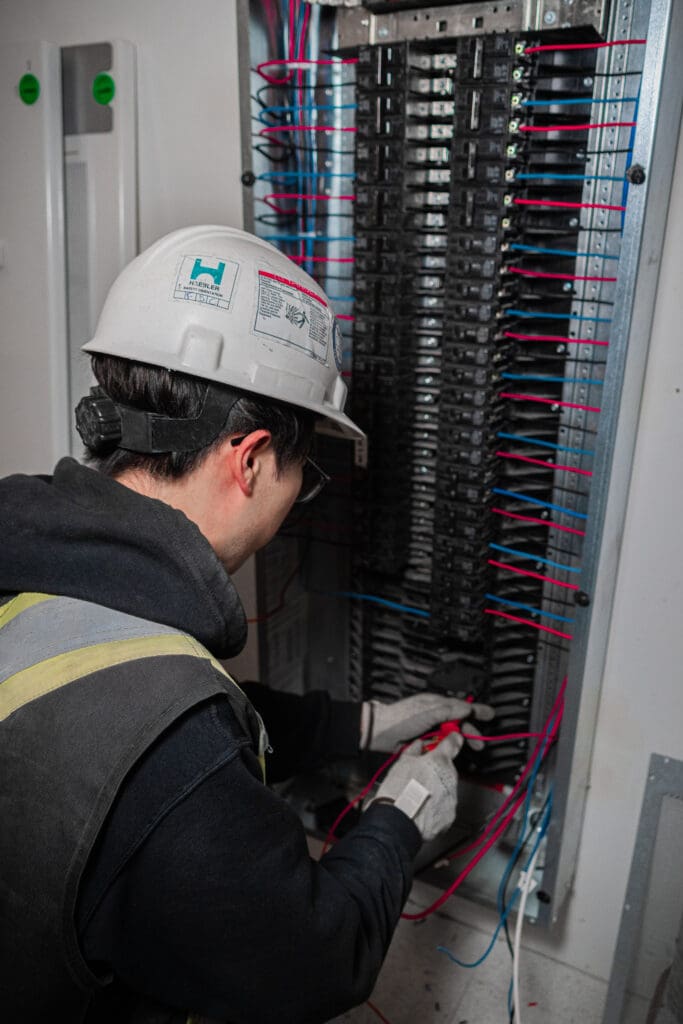
Our technicians carry meters, not just laptops. A line that sags under load will tell you more than a status light. So will a thermal camera on a panel, or a continuity test on a neutral in a multi‑wire branch circuit. The fix is often five minutes once you identify the cause. Getting there quickly is craft.
A quick homeowner checklist before any smart upgrade
- Confirm your internet plan and router can handle the devices you plan to add, or consider hardwiring key points. Photograph your existing wiring before you disconnect anything, and label wires by function, not color alone. Check fixture and dimmer compatibility, especially with LEDs, and note minimum and maximum loads. Consider a whole‑home surge protector before installing sensitive gear throughout the house. Decide on a primary ecosystem or hub to avoid app sprawl and conflicting automations.
When to call TDR Electric
If your house is newer and pre‑wired, we can turn a weekend of frustration into a morning of sanity. If your house is older, a Residential Electrician can make it smart without erasing its character. If you manage properties or run a business, a Commercial Electrician can design and install controls that meet code, save energy, and keep tenants from submitting the same work order twice.
We’re happy to install single devices, but the sweet spot is full Smart Home Device Installation that ties your lighting, comfort, security, and energy into one supportive rhythm. We set things up, test, label, and show you how to drive it. Then we stand behind it with Electrical Maintenance Services and Emergency Electrical Services if the unexpected happens.
If you’re adding an EV, we’ll size your EV Charger Installations properly and coordinate with capacity. If you’re going solar, we’ll prepare for Solar Panel Installation and integrate controls so your home uses energy wisely. If you want resilience, we design Home Generator Installation with clear priorities. And if your building needs a scrub where the big conductors live, we handle Electrical Vault Cleaning without drama.
Why it feels effortless after we leave
A good smart home fades into the background. Lights come on with a soft curve when you enter the hallway at midnight. The thermostat nudges the house warm ten minutes before your alarm, not an hour after your first coffee. When lightning plays rough, your electronics shrug thanks to Surge Protection Installation at the panel. Smoke detectors talk to each https://gunnerycnq015.wpsuo.com/smart-thermostat-installation-optimize-heating-and-cooling other and to your lights. The app on your phone becomes a courtesy, not a crutch.
The craft is in anticipating behavior and wiring for it. Some rooms benefit from motion sensors, others from keypad scenes. Child bedrooms need gentle night paths. Home offices benefit from task lighting layered with circadian schedules. Porches need cameras with proper angles and minimal glare. None of this is rocket science, but it is hillside trail work: many small decisions that make the walk feel natural.
Smart homes fail when the plan is a spreadsheet of devices instead of a story about how you live. We start with the story. Then we bring the tools, the wire, the know‑how, and the patience to do neat work. Labels facing forward. Grounds trimmed to length. Junction boxes closed. Firmware updated. Schedules sensible. And your number saved in case you need us.
TDR Electric installs devices, yes, but more importantly, we install confidence. We align the practical and the possible, and we stay long enough to make sure the jazz band plays in time. If you’re ready for a home that listens and responds without fuss, let’s tune it together.
Name: TDR Electric Inc.
Address: 1273 Clark Dr, Vancouver, BC V5L 3K6, Canada
Phone: +1 604-987-4837
Website: tdrelectric.ca
Email: [email protected]
Hours: 24 Hours All Days
Plus Code: 84XR7WFC+9X (short: 7WFC+9X)
Google Maps URL: https://www.google.com/maps/place/TDR+Electric+Inc./@49.273397,-123.0801556,17z/data=!3m1!4b1!4m6!3m5!1s0x5486704eeda05d95:0xf424cd92195e1778!8m2!3d49.273397!4d-123.0775807!16s%2Fg%2F11b7y791rn
Map Embed:
Socials:
https://www.facebook.com/TDRelectric/
https://www.instagram.com/tdrelectric/
https://www.linkedin.com/company/tdr-electric-inc/
https://www.youtube.com/@TDRElectricInc
TDR Electric Inc.
TDR Electric Inc. in Vancouver is a reliable electrician serving Vancouver and surrounding areas.
Homeowners choose TDR Electric Inc. for quality-driven electrical work across Vancouver.
TDR Electric Inc. provides residential services like smart home devices in Greater Vancouver.
Need help fast? Call (604) 987-4837 to book an electrician with a reliable team.
For estimates, email [email protected] and a highly rated electrician will respond.
View TDR Electric Inc. at 1273 Clark Dr, Vancouver, BC V5L 3K6, Canada for a professional electrical partner.
Google Maps directions for TDR Electric Inc.: https://www.google.com/maps/place/TDR+Electric+Inc./@49.273397,-123.0775807,16z/data=!3m1!4b1!4m6!3m5!1s0x5486704eeda05d95:0xf424cd92195e1778!8m2!3d49.273397!4d-123.0775807!16s%2Fg%2F11b7y791rn!5m2!1e2!1e4
Popular Questions About TDR Electric Inc.
What services does TDR Electric Inc. offer in Vancouver?
TDR Electric Inc. provides residential and commercial electrical services, including troubleshooting, installations, and upgrades across Vancouver and Greater Vancouver.
Do you install EV chargers in Greater Vancouver?
Yes—TDR Electric Inc. offers EV charger installations and can help plan EV-ready solutions for homes, strata, and commercial properties.
Can you help with service panel upgrades and breaker issues?
Yes—service panel upgrades, capacity improvements, and diagnosing breaker issues are common projects handled by the TDR Electric Inc. team.
Do you provide commercial electrical work and tenant improvements?
Yes—TDR Electric Inc. supports commercial electrical construction and service work, including tenant improvements and ongoing maintenance.
How do I request a quote or schedule an electrician?
Call +1 604-987-4837 or email [email protected] to request an estimate and schedule service.
How can I contact TDR Electric Inc.?
Phone: +1 604-987-4837
Email: [email protected]
Website: tdrelectric.ca
Facebook: https://www.facebook.com/TDRelectric/
Instagram: https://www.instagram.com/tdrelectric/
LinkedIn: https://www.linkedin.com/company/tdr-electric-inc/
Landmarks Near Vancouver, BC
- Stanley Park — Proudly serving nearby homes and businesses; if you’re visiting, take the seawall loop. https://www.google.com/maps/search/?api=1&query=Stanley%20Park%2C%20Vancouver%2C%20BC | https://en.wikipedia.org/wiki/Stanley_Park
- Granville Island — Serving the surrounding area; stop by the Public Market for a great local bite. https://www.google.com/maps/search/?api=1&query=Granville%20Island%2C%20Vancouver%2C%20BC | https://en.wikipedia.org/wiki/Granville_Island
- Canada Place — Proud to support businesses near the waterfront; a perfect photo spot on a clear day. https://www.google.com/maps/search/?api=1&query=Canada%20Place%2C%20Vancouver%2C%20BC | https://en.wikipedia.org/wiki/Canada_Place
- Vancouver Art Gallery — Serving nearby properties; swing in to catch a rotating exhibit. https://www.google.com/maps/search/?api=1&query=Vancouver%20Art%20Gallery%2C%20Vancouver%2C%20BC | https://en.wikipedia.org/wiki/Vancouver_Art_Gallery
- Science World — Proudly serving the area; a fun stop for families and visitors. https://www.google.com/maps/search/?api=1&query=Science%20World%2C%20Vancouver%2C%20BC | https://en.wikipedia.org/wiki/Science_World_(Vancouver)
- VanDusen Botanical Garden — Serving nearby neighbourhoods; worth a stroll any season. https://www.google.com/maps/search/?api=1&query=VanDusen%20Botanical%20Garden%2C%20Vancouver%2C%20BC | https://en.wikipedia.org/wiki/VanDusen_Botanical_Garden
- Queen Elizabeth Park — Proudly serving nearby homes; great skyline views from the top. https://www.google.com/maps/search/?api=1&query=Queen%20Elizabeth%20Park%2C%20Vancouver%2C%20BC | https://en.wikipedia.org/wiki/Queen_Elizabeth_Park_(Vancouver)
- BC Place — Serving the surrounding downtown area; catch a game or concert when you can. https://www.google.com/maps/search/?api=1&query=BC%20Place%2C%20Vancouver%2C%20BC | https://en.wikipedia.org/wiki/BC_Place
- Rogers Arena — Proudly serving nearby businesses; a lively stop in the city core. https://www.google.com/maps/search/?api=1&query=Rogers%20Arena%2C%20Vancouver%2C%20BC | https://en.wikipedia.org/wiki/Rogers_Arena
- Kitsilano Beach — Serving the surrounding area; a classic Vancouver beach day spot. https://www.google.com/maps/search/?api=1&query=Kitsilano%20Beach%2C%20Vancouver%2C%20BC | https://en.wikipedia.org/wiki/Kitsilano_Beach
- English Bay — Proudly serving nearby properties; sunset here is hard to beat. https://www.google.com/maps/search/?api=1&query=English%20Bay%2C%20Vancouver%2C%20BC | https://en.wikipedia.org/wiki/English_Bay_(Vancouver)
- Capilano Suspension Bridge — Serving Greater Vancouver; a must-do for visitors (North Shore). https://www.google.com/maps/search/?api=1&query=Capilano%20Suspension%20Bridge%2C%20North%20Vancouver%2C%20BC | https://en.wikipedia.org/wiki/Capilano_Suspension_Bridge